Drew Keller · 7 September 2026
Navigating Iterative Feedback Systems for Sustainable Platform Development in Niche Digital Tools
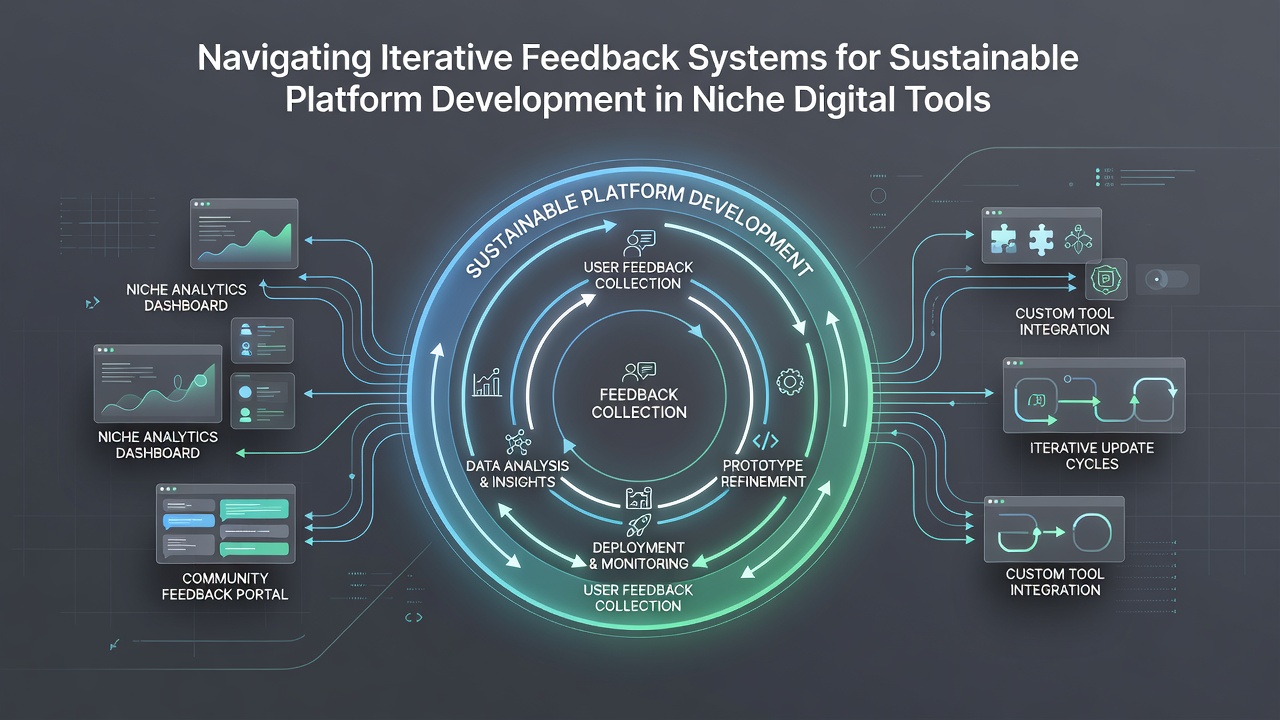
Iterative feedback systems form the backbone of sustainable platform development for niche digital tools, where teams collect user input, analyze performance metrics, and refine features in repeated cycles. Data from industry reports shows these loops help maintain tool relevance while controlling resource use over extended periods. In niche sectors such as specialized design software or targeted analytics platforms, the process allows developers to address specific user needs without expanding into unsustainable feature bloat.
Core Components of Feedback Loops
Effective systems begin with structured data collection through in-app surveys, usage logs, and external community forums. Researchers at various institutions have documented how combining quantitative metrics with qualitative comments produces clearer direction for updates. Teams then prioritize changes based on impact assessments that weigh user value against development costs and long-term maintenance demands. This prioritization step prevents overload on small teams that often manage niche tools.
Implementation follows with controlled releases that gather fresh responses before wider rollout. Observers note that version tagging and A/B testing become essential here, since they isolate variables and reveal which adjustments improve retention rates. The cycle closes when teams document outcomes and feed them back into the next planning phase, creating continuity that supports platform stability.
Sustainability Factors in Niche Environments
Sustainable development in this context involves balancing technical debt reduction with ongoing feature evolution. Studies from academic sources indicate that platforms relying on tight feedback integration experience fewer major overhauls, which in turn lowers energy consumption associated with large-scale code rewrites. Niche tools benefit particularly because their focused user bases provide high-signal input that guides precise refinements rather than broad speculation.
Resource allocation plays a central role, as limited budgets require evidence before committing developer hours. Figures from European Commission digital economy analyses reveal that projects incorporating regular feedback checkpoints achieve higher rates of continued operation beyond initial launch years. These checkpoints also support compliance with emerging data governance standards that affect how user information is stored and processed.
Practical Navigation Strategies
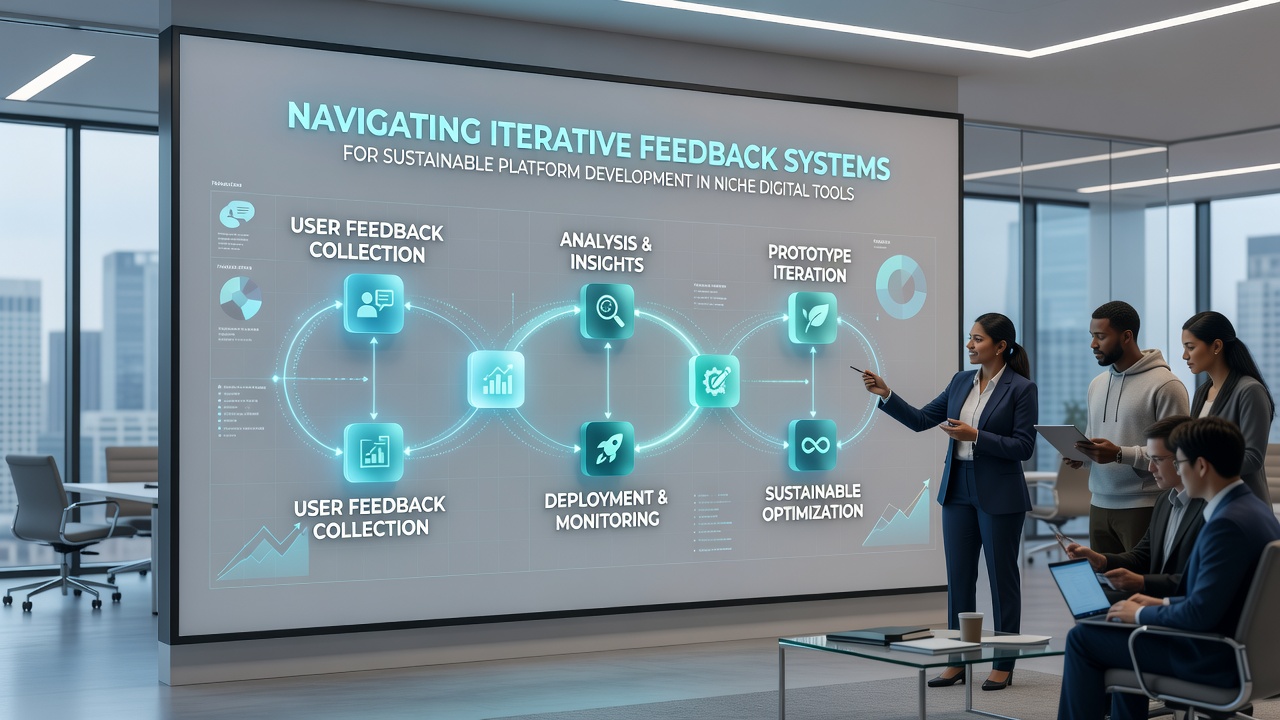
Developers often establish clear channels for feedback triage, separating urgent bugs from enhancement requests that require broader validation. Australian Digital Transformation Agency guidance on digital service design emphasizes mapping feedback sources to specific product areas so teams can track patterns without becoming overwhelmed. Regular reviews of these maps help maintain focus on sustainability goals such as code modularity and documentation quality.
Cross-functional involvement strengthens outcomes, with designers, engineers, and support staff contributing perspectives during review sessions. Data indicates that platforms adopting this collaborative model see reduced turnaround times between feedback receipt and deployment. In September 2026 several niche tool providers reported continued use of these integrated reviews to manage updates amid shifting regulatory expectations around digital accessibility.
Measurement and Adjustment Techniques
Key performance indicators include user retention after updates, support ticket volume, and server resource utilization trends. Research from Canadian innovation reports highlights how tracking these metrics across multiple iterations reveals whether feedback systems are driving genuine efficiency gains. Teams adjust thresholds dynamically, raising or lowering acceptance criteria based on cumulative evidence rather than single data points.
Automation tools assist with initial sorting of incoming feedback, yet human oversight remains necessary to interpret context and nuance. Those who have implemented hybrid approaches report smoother scaling as user numbers grow within specialized markets. The process supports long-term viability by preventing feature creep that could strain infrastructure or dilute core value propositions.
Conclusion
Iterative feedback systems deliver measurable advantages for sustainable platform development when applied consistently to niche digital tools. Evidence from multiple regions shows improved alignment between user requirements and technical decisions, alongside reduced waste in development resources. Continued refinement of these practices supports platforms that remain functional and relevant over time without excessive expansion.